

Reviewed by Dr. Stacey Forbes, DNP, APRN, PMHNP-BC, Texas APRN-CNP #1207174 (see licenses by state in the footer) · Last reviewed November 20, 2026


Integrative Psychiatric Evaluation
A deep, evidence-based assessment that combines traditional psychiatry with lab-informed insights into nutrition, hormones, and inflammation.Learn More about Integrative Psychiatric Evaluation

Functional & Nutritional Psychiatry
Lab testing for nutrient imbalances, hormonal shifts, and metabolic issues that influence mood and cognition.Learn More about Functional & Nutritional Psychiatry

Advanced Laboratory Consultation
Evidence-based lab testing (thyroid, blood counts, B12/folate, iron, metabolic and medication-monitoring labs) to check for physical contributors to mental health symptoms.Learn More about Advanced Laboratory Consultation

Telepsychiatry Across Texas, New Mexico, Florida, Alaska, Arizona, Colorado & Washington
Secure, convenient online care that meets you where you are.Learn More about Telepsychiatry
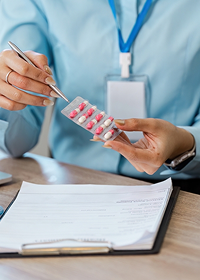
Medication Management
Thoughtful, research-driven prescribing that prioritizes minimal effective dosing and root-cause correction.Learn More about Medication Management

Intensive Trauma Therapy (1–3 Days)
Focused model for trauma recovery, combining EMDR, somatic work, and ego-state therapy for accelerated healing. (get on the waitlist for our next intensive) Learn More about Intensive Trauma Therapy
Fall & winter
When the season changes how you feel
For most people with seasonal affective disorder, symptoms start in late fall or early winter and ease in spring and summer (National Institute of Mental Health). Dr. Stacey Forbes, DNP, PMHNP-BC, looks at sleep, stress, labs and nutrition alongside medication.