
Key Takeaways
- Chronic insomnia is usually a symptom of a deeper imbalance, and sleeping pills often fail long-term because they do not address why you are awake.
- Sedation is not the same as restorative sleep; many sleep aids reduce deep and REM sleep, leaving you groggy the next day.
- Possible contributors include stress, hormonal changes, eating patterns, other health conditions, and sleep apnea, for which sedatives can be dangerous.
- CBT-I (Cognitive Behavioral Therapy for Insomnia) is the gold-standard treatment and outperforms medication for long-term results.
- Willow & Stone uses targeted lab testing when indicated, CBT-I, nutrients such as magnesium glycinate and L-theanine reviewed with your provider, and safe, slow tapering, serving Texas, New Mexico, Florida, Alaska, Arizona, and Colorado via telehealth.
It’s a pattern we see almost every day in our practice. A new patient sits down, looking exhausted, holding a list of medications they have tried. “I’ve taken Ambien,” they say. “I’ve tried Trazodone. I’ve tried Xanax. I’ve tried over-the-counter gummies. They work for a week, maybe two, and then I’m right back to staring at the ceiling.”
This frustration is valid, and unfortunately, it is incredibly common. We live in a culture that treats sleep as a switch to be flipped. If the switch is stuck in the “on” position, we throw chemicals at it to force it “off.” But the human brain is not a light switch; it is a complex ecosystem.
At Willow & Stone Integrative Mental Health, we understand that chronic sleeplessness is not a deficiency of sleeping pills. It is almost always a symptom of a deeper physiological or psychological imbalance. When we rely solely on medication, we are often treating the smoke while ignoring the fire.
This comprehensive guide explores the uncomfortable truth about why sleep medication often fails in the long run, the critical difference between sedation and restoration, and how integrative insomnia treatment can help you finally find the rest you deserve.
The Illusion of the “Magic Pill”
The pharmaceutical industry has done an excellent job of marketing sleep as a product you can buy. The promise is alluring: take this pill, and you will wake up refreshed. However, for anyone who has struggled with chronic insomnia, the reality is often much murkier.
While sleep medications can be helpful for acute, short-term crises (like grief or severe travel lag), they are rarely a sustainable solution for chronic insomnia. Why? Because they do not address the question of why you are awake. They simply try to overpower the wakefulness signal.
The Tolerance Trap
One of the primary reasons why sleep meds fail over time is biological adaptation. Your brain is designed to maintain homeostasis (balance). When you introduce a sedative like a benzodiazepine or a “Z-drug” (like Zolpidem), your brain initially slows down. But soon, it realizes it is being chemically suppressed.
To compensate, the brain may actually increase its excitatory activity or decrease its natural sensitivity to the drug. This is called tolerance.
- The Result: You need a higher dose to get the same effect.
- The Cycle: Eventually, you reach a maximum safe dose, the medication stops working entirely, and you are left with “rebound insomnia”—sleeplessness that is even worse than before you started.
Sedation vs. Sleep: Why You Still Feel Tired
Perhaps the biggest misconception about sleep medication is that it induces sleep. In most cases, it does not. It induces sedation.
While these two states look similar from the outside—eyes closed, unresponsive to stimuli—they are neurologically distinct. Natural sleep is an active, dynamic process. It involves a carefully orchestrated dance of brain waves, cycling through light sleep, Deep Wave sleep, and REM (Rapid Eye Movement) sleep.
The Architecture of Restoration
- Deep Sleep: This is when your body repairs tissues, strengthens the immune system, and clears out metabolic waste products (like beta-amyloid) from the brain.
- REM Sleep: This is essential for emotional processing, memory consolidation, and learning.
How Medication Disrupts the Cycle
Most prescription sleep aids are CNS (Central Nervous System) depressants. While they might knock you out quickly, they often degrade the quality of your sleep architecture.
- Reduced Deep Sleep: Many sedatives reduce the amount of time spent in deep, restorative sleep.
- REM Suppression: Benzodiazepines and some antidepressants are known to suppress REM cycles.
- The “Hangover”: Because the brain hasn’t completed its natural cleaning cycles, you wake up feeling groggy, foggy, and unrefreshed, often reaching for caffeine to counteract the pill you took the night before.
Investigating the Root Causes of Insomnia
If medication is a band-aid, integrative psychiatry is the detective work. To fix insomnia, we have to find out what is keeping your nervous system in a state of hyperarousal. At Willow & Stone, we don’t just ask “How are you sleeping?” We ask, “How are you living, eating, and feeling?”
Here are the most common hidden drivers of insomnia that pills simply cannot fix.
1. The Cortisol Curvature
Cortisol is your primary stress hormone. In a healthy body, cortisol follows a specific rhythm: it peaks in the morning (to wake you up) and drops to its lowest point at night (to let you sleep).
Chronic stress can disrupt this rhythm.
- The “Tired but Wired” Phenotype: If your cortisol spikes at 10:00 PM or 3:00 AM, your body is physically signaling “danger” and “action.” You might feel exhausted, but your mind is racing.
- The Medication Failure: Taking a sedative when your cortisol is high is like trying to brake a car while the accelerator is floored. The chemical signals are fighting each other.
- The Solution: If symptoms suggest a hormone disorder, we order standard tests through our advanced laboratory consultation and coordinate with your physician. More often, the focus is on stress-related changes in the HPA axis and cortisol rhythm, which respond to CBT-I, stress management, and consistent sleep and light habits.
2. Blood Sugar Instability
For some people, eating patterns may affect night waking. The brain is an energy hog; it needs a steady supply of glucose, even while you sleep.
True low blood sugar at night (nocturnal hypoglycemia) is uncommon in people without diabetes. When blood sugar does drop low, the body releases adrenaline and cortisol to raise it, which can wake you up, sometimes with a pounding heart or a sweat.
- The Medication Failure: No amount of Ambien prevents a blood sugar crash. In fact, if you are sedated during a crash, it can be dangerous.
- The Solution: Dietary changes, such as a high-protein snack before bed or stabilizing daytime blood sugar, may help if this pattern applies to you.
3. Gut Dysbiosis and Neurotransmitters
We often say the gut is the “second brain.” About 90% of the body’s serotonin is made in the gut, mostly for digestion; it does not cross into the brain, which makes its own serotonin and melatonin.
Digestive problems such as IBS can still disturb sleep through discomfort, and researchers are studying how gut health and inflammation may affect sleep and mood.
- The Medication Failure: Sleeping pills do not heal the gut lining or restore microbiome balance.
- The Solution: Our functional & nutritional psychiatry approach looks at digestive health as part of the bigger picture, and we coordinate with your primary care provider or a gastroenterologist when needed.
4. Undiagnosed Hormonal Imbalances
Sex hormones play a massive role in sleep architecture.
- Progesterone: Known as “nature’s Valium,” progesterone has a potent calming effect on the brain’s GABA receptors. In perimenopause or high-stress states, progesterone often drops, leading to severe anxiety and insomnia.
- Estrogen: Low estrogen is linked to night sweats (hot flashes) and fragmented sleep.
- Testosterone: In men, low testosterone is associated with lower sleep efficiency and an increased risk of sleep apnea.
- Thyroid: Hyperthyroidism causes a hyper-metabolic state that makes sleep nearly impossible, while hypothyroidism can cause sleep apnea and poor sleep quality.
5. Sleep Apnea and Airway Issues
Obstructive Sleep Apnea (OSA) is a physical blockage of the airway during sleep. It causes micro-awakenings hundreds of times a night as the body gasps for air.
- The Medication Failure: This is critical: giving sedatives to someone with untreated sleep apnea can be dangerous. Sedatives relax the throat muscles further, potentially worsening the obstruction and lowering oxygen levels.
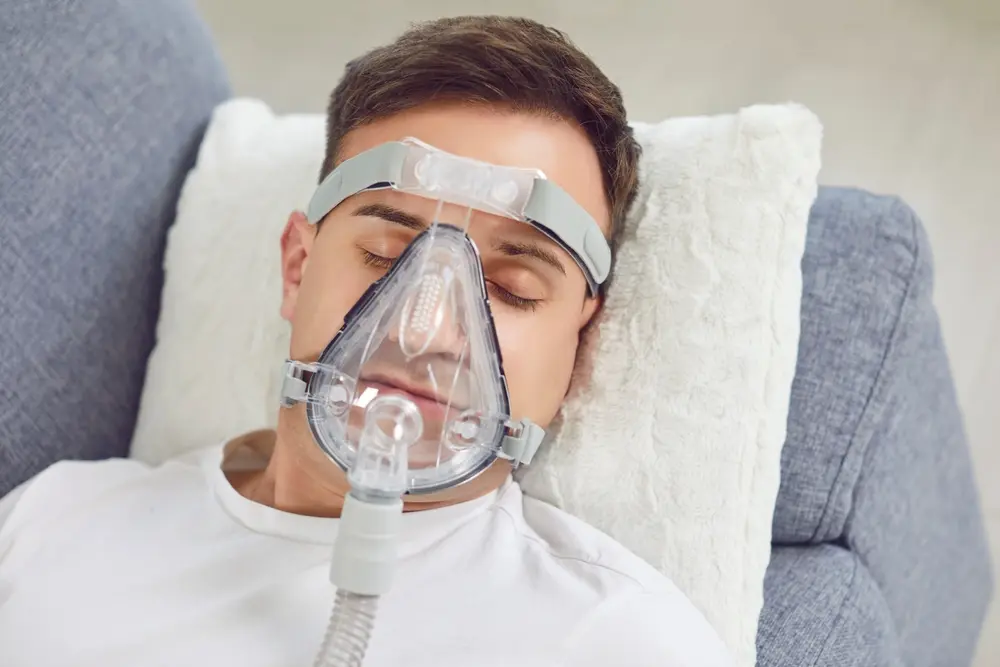
- The Solution: Proper screening and treatment (like CPAP or oral appliances) is the only safe path forward.
The Psychological Component: Breaking the Fear Loop
Chronic insomnia often morphs into a psychological condition known as “psychophysiological insomnia.” This happens when the bed itself becomes a trigger for anxiety.
You look at the clock—11:00 PM—and your heart rate creates a spike of adrenaline simply because you are afraid you won’t sleep. You begin to “try” to sleep. But sleep is an involuntary process; you cannot force it any more than you can force your heart to beat. The effort of trying creates tension, which pushes sleep further away.
Medication reinforces this fear loop. It tells your subconscious, “You are broken. You cannot sleep on your own. You need this pill to function.” This erodes your “sleep confidence,” making it harder to ever sleep naturally again.
Integrative Insomnia Treatment: A Better Way Forward
So, if medication isn’t the long-term answer, what is?
At Willow & Stone, we build a comprehensive, personalized roadmap to rest. We don’t just want to knock you out; we want to restore your body’s natural rhythm.
Step 1: Comprehensive Evaluation
We start with a deep dive. Our Integrative Psychiatric Evaluation covers your medical history, your trauma history, your diet, your lifestyle, and your current medications. We look for the patterns that standard 15-minute appointments miss.
Step 2: Functional Testing
We stop guessing. Depending on your symptoms, we may order:
- Hormone Testing: Standard blood tests, such as thyroid function, or sex hormones when perimenopause or low testosterone is suspected. If symptoms suggest a cortisol disorder, we order standard tests or refer to endocrinology.
- Micronutrient Panels: To check for deficiencies in Magnesium, Iron, B12, or Vitamin D—all crucial for sleep.
- Digestive Evaluation: Standard testing or a gastroenterology referral if you have significant digestive symptoms.
Step 3: Targeted Nutritional Support
Instead of heavy sedatives, we utilize nutrients that support the body’s natural pathways.
- Magnesium Glycinate: Relaxes muscles and the nervous system without causing drowsiness.
- L-Theanine: An amino acid that boosts alpha brain waves (associated with relaxation).
- Phosphatidylserine: Sometimes used for stress; evidence is limited.
- Inositol: Supports blood sugar regulation and neurotransmitter signaling.
Step 4: Cognitive Behavioral Therapy for Insomnia (CBT-I)
CBT-I is the gold standard for treating insomnia. It is a structured program that helps you identify and replace thoughts and behaviors that cause or worsen sleep problems.
- Sleep Restriction: Temporarily limiting time in bed to increase “sleep drive.”
- Stimulus Control: Re-associating the bed with sleep, not scrolling or worrying.
- Cognitive Restructuring: addressing the panic around lost sleep.
Step 5: Chronotherapy and Lifestyle Design
We help you hack your circadian rhythm.
- Light: We teach you how to use bright light in the morning to anchor your wake time and blue-light blocking strategies in the evening to protect melatonin.
- Temperature: Optimizing your sleep environment for thermal regulation.
- Movement: Timing exercise to support cortisol rhythms rather than disrupt them.
Tapering Off Sleep Medications
If you are currently dependent on sleep medication, do not panic, and do not stop cold turkey. Abrupt cessation can be dangerous (stopping a benzodiazepine suddenly can cause seizures) and often leads to rebound insomnia.
We specialize in medication management that includes safe, slow deprescribing. We can help you taper your dose gradually while simultaneously building up your “physiological floor” with nutrition and lifestyle changes. The goal is that by the time you are off the medication, your body is strong enough to sleep on its own.
Redefining Success
Success isn’t just closing your eyes for 8 hours. Success is waking up with energy. Success is trusting your body again. Success is knowing that even if you have a bad night (which is normal!), you don’t need to panic because your body knows how to recover.
The journey to natural sleep takes more effort than popping a pill. It requires curiosity, patience, and a willingness to change habits. But the reward—true, restorative, drug-free sleep—is worth every step.
Why Choose Willow & Stone?
We provide expert care via telepsychiatry for residents of Texas, New Mexico, Florida, Alaska, Arizona, and Colorado. We bridge the gap between traditional psychiatry and functional medicine, offering you the best of both worlds.
We believe you are not broken. Your body is simply speaking a language you haven’t learned to translate yet. Let us help you interpret the signals.
If you are ready to stop masking your symptoms and start fixing the root causes of insomnia, we invite you to Book Now. Let’s build a foundation for sleep that lasts a lifetime.
Frequently Asked Questions
Why do I wake up at 3 AM every night?
Early-morning waking is common and can be linked to stress, anxiety or depression, alcohol, sleep apnea, hormonal changes such as perimenopause, or an earlier body-clock rhythm. A careful evaluation helps identify the likely causes.
Is Melatonin safe to take every night?
Melatonin is a hormone sold over the counter as a supplement in the U.S. It works best in low doses for timing problems like jet lag, rather than as a nightly sedative. Ask us before using it nightly.
Can therapy really help me sleep better than pills?
Yes. Studies consistently show that CBT-I (Cognitive Behavioral Therapy for Insomnia) has better long-term outcomes than medication. Pills treat the symptom; therapy rewires the brain’s association with sleep.
Does insurance cover functional testing for sleep?
Coverage varies significantly by plan and by test. During your consultation, we can discuss which labs are likely to be covered and providing transparent pricing for any specialty functional labs.
What if I have been on sleep meds for years? Is it too late?
It is never too late. The brain is neuroplastic—it can change and heal at any age. While tapering off long-term medication requires patience and careful management, many patients successfully reclaim their natural sleep cycles after years of medication use.